Sacred Geographies
Mapping the historical Janapadas, settlements, and centers of Vedic scholarship.
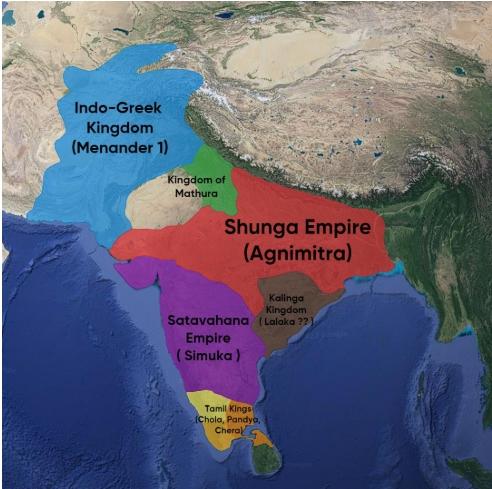
Shunga Empire
Founded by Pushyamitra Shunga after the fall of the Mauryas, this Brahmin-led empire revived Vedic traditions and ruled large parts of North and Central India.
- Founder: Pushyamitra Shunga
- Period: 185 – 73 BCE
- Capital: Pataliputra
- Region: Magadha, Central India
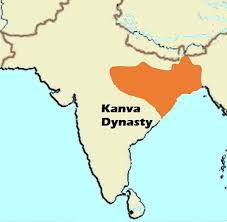
Kanva Dynasty
A Brahmin ministerial lineage that succeeded the Shungas and continued rule over Magadha, preserving Brahmin political influence in ancient India.
- Founder: Vasudeva Kanva
- Period: 73 – 28 BCE
- Capital: Pataliputra
- Region: Eastern India
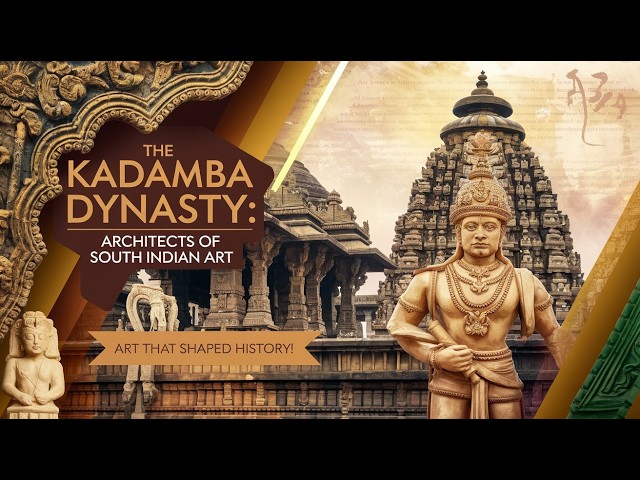
Kadamba Dynasty
Founded by Mayurasharma, a Brahmin who took up arms, establishing one of the first native South Indian kingdoms independent of northern influence.
- Founder: Mayurasharma
- Period: 345 – 540 CE
- Capital: Banavasi
- Region: Karnataka
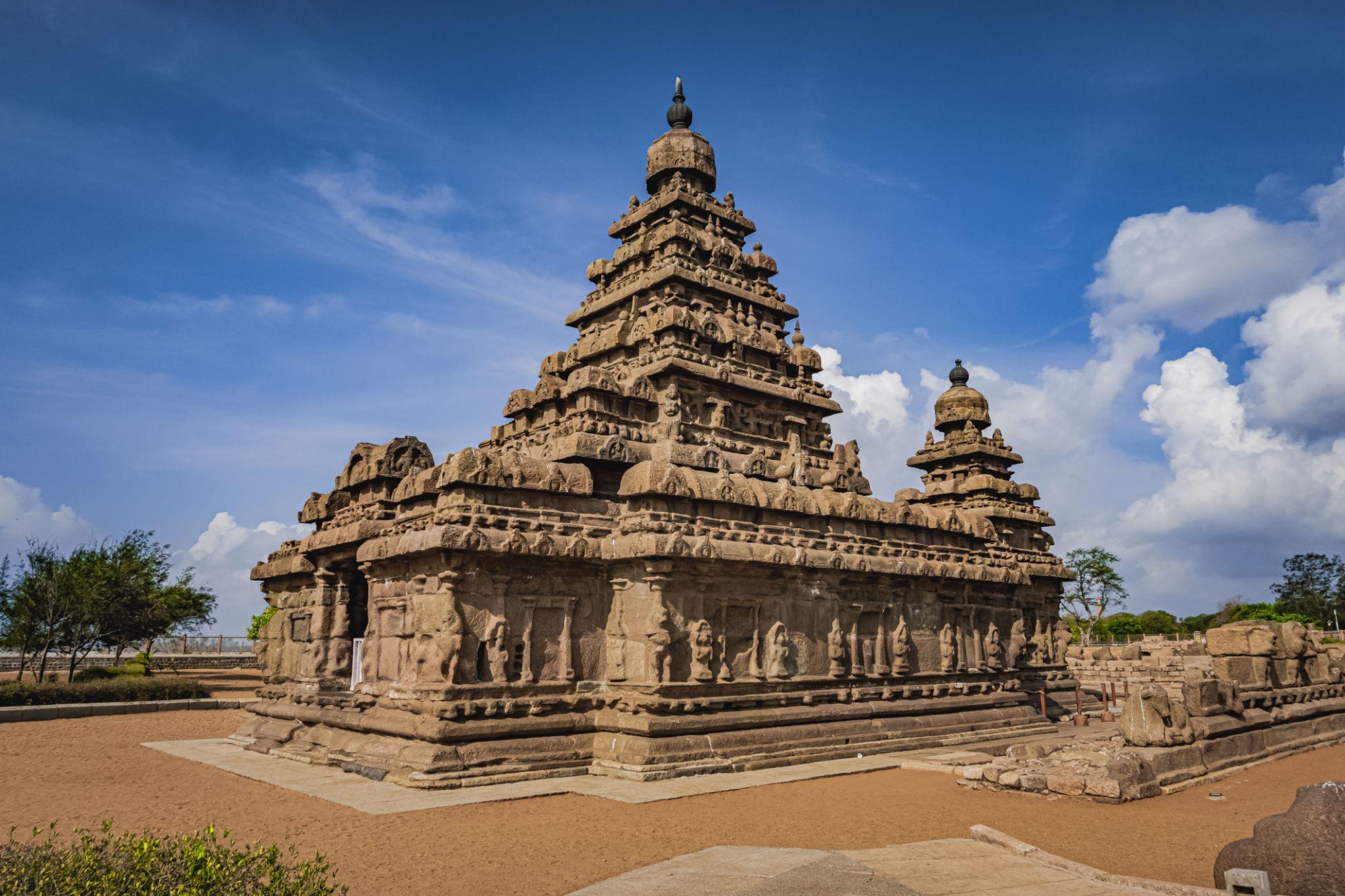
Pallava Empire
Renowned for temple architecture and Sanskrit learning, the Pallavas ruled from Kanchipuram and influenced South Indian Brahminical traditions.
- Famous King: Narasimhavarman I
- Period: 275 – 897 CE
- Capital: Kanchipuram
- Region: Tamil Nadu
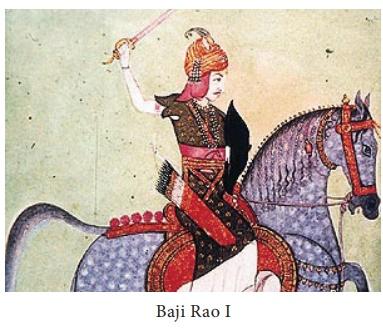
Peshwa Governance
Brahmin Peshwas became the supreme authority of the Maratha Empire, expanding influence across almost the entire Indian subcontinent.
- Key Ruler: Baji Rao I
- Period: 1713 – 1818 CE
- Capital: Pune
- Region: Pan-India
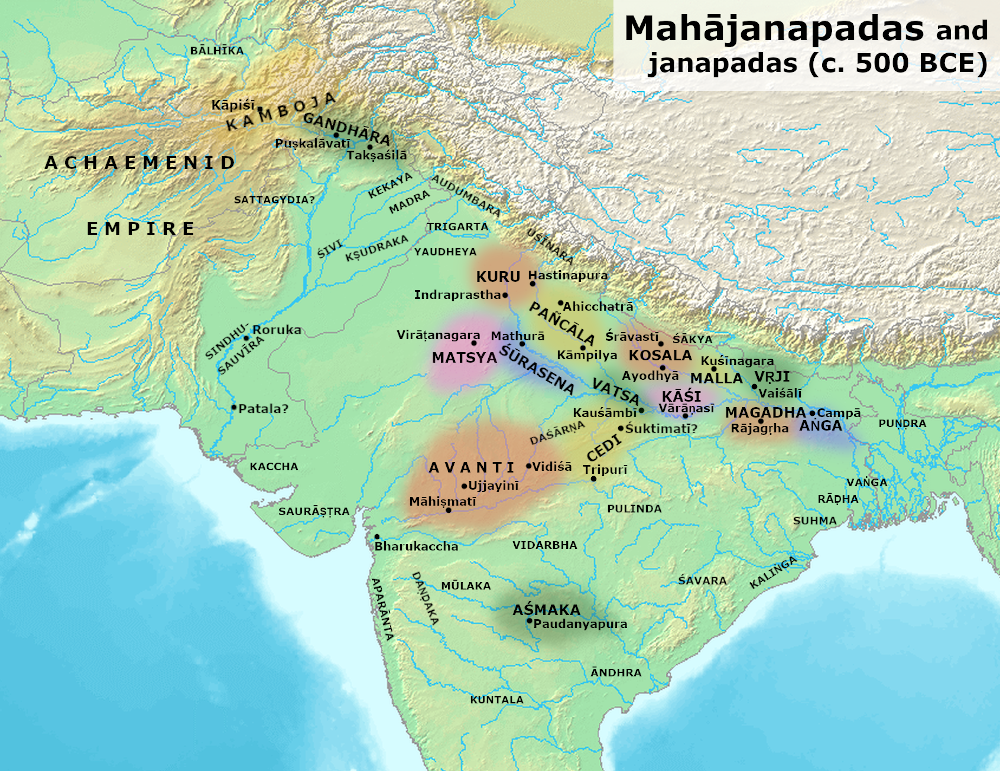
Kalinga Region
A sacred land of Brahminical rituals and temple culture, Kalinga played a major role in preserving Vedic traditions in Eastern India.
- Region: Ancient Kalinga (Odisha)
- Importance: Temple & Ritual Culture
- Legacy: Jagannath Tradition